The eyewear industry moves faster than ever. Social media accelerates trend cycles from years to months, and consumers now expect their frames to make a statement as much as their handbags or sneakers. For B2B buyers and retailers, staying ahead of the curve means understanding not just what's popular today, but what materials and silhouettes will define the next 12 months.
Here are the key trends shaping the 2026 eyewear landscape, based on our observations from MIDO, SILMO, and direct feedback from retail partners across 30+ markets.
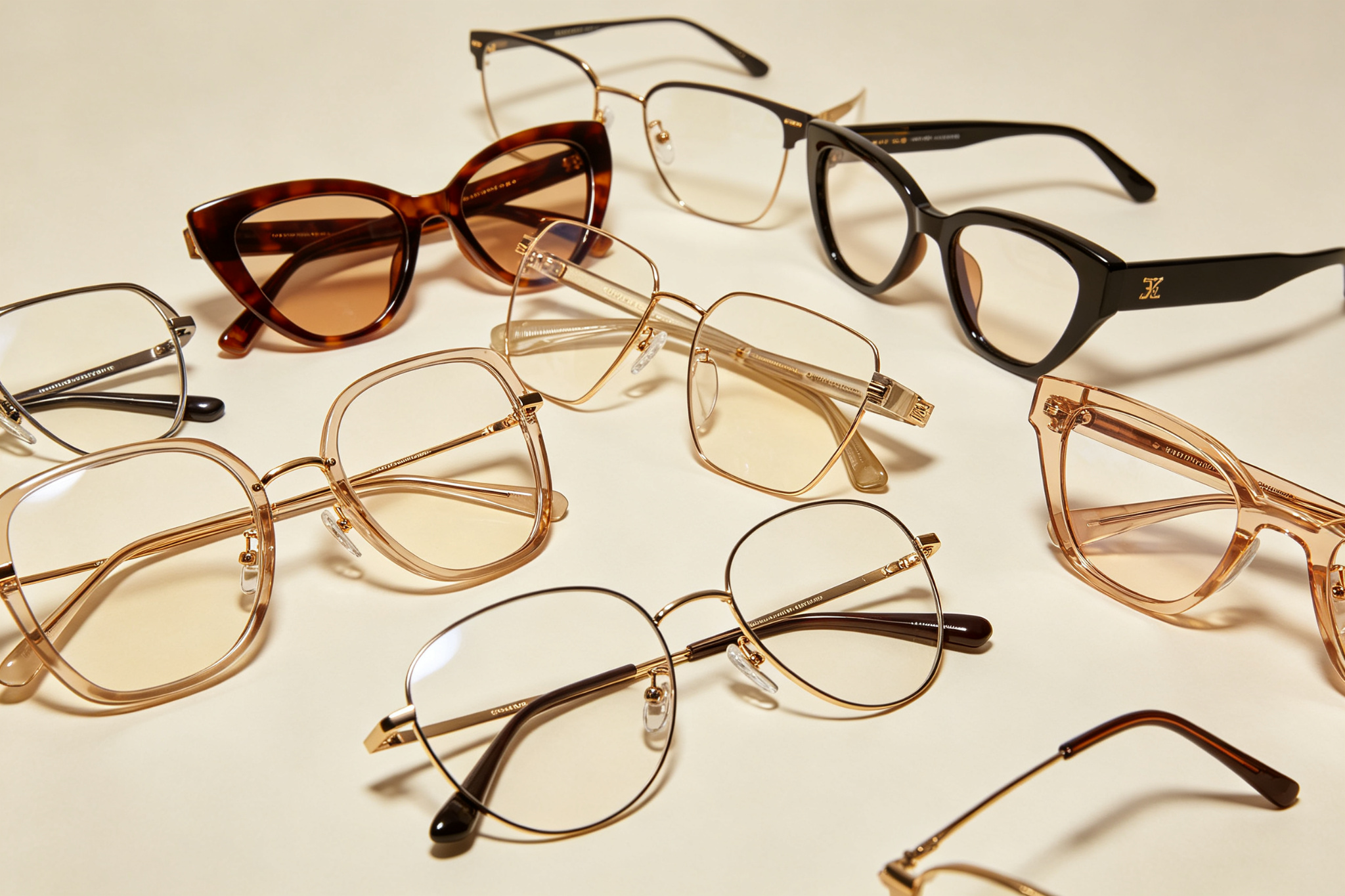
After several seasons of minimal, thin-rimmed frames, 2026 marks a decisive return to bold, architectural silhouettes:
Oversized square & rectangular — The "quiet luxury" frame of the season. Think 1970s meets modern minimalism, with thick acetate rims and a confident, wide stance.
Cat-eye evolution — The classic cat-eye gets a sharper, more angular update. Upswept outer corners are more dramatic than ever, appealing to consumers who want a statement piece.
Round revival — Smaller, more refined round frames (not the oversized Lennon style) are gaining traction, particularly in thin metal with translucent rims.
Geometric & hexagonal — Angular, multi-sided shapes continue to grow, especially in younger demographics and streetwear-adjacent markets.
Aviator reimagined — The timeless aviator gets modern updates: thicker top bars, mixed materials, and non-traditional lens shapes.
Sustainability is no longer a niche selling point—it's a baseline expectation, especially among Gen Z and millennial consumers. Key material trends include:
Bio-acetate — Made from renewable plant-based plasticizers (often cottonseed and wood pulp), bio-acetate offers the same look and feel as traditional acetate but with a significantly lower environmental footprint. Expect it to become the default in premium collections within 2–3 years.
Recycled & upcycled materials — Frames made from recycled ocean plastic, reclaimed metal, and even repurposed eyewear are entering the mainstream. Storytelling around provenance is a major sales driver.
Titanium & beta-titanium — Ultra-lightweight, hypoallergenic, and incredibly durable. Titanium frames continue to grow in the premium segment, especially for consumers who wear glasses all day.
Mixed-material frames — Acetate fronts paired with metal temples, or wood inlay accents, add visual interest and allow brands to command higher price points.
2026's color story is defined by warmth and depth:
Earth tones — Terracotta, olive, caramel, and deep tortoiseshell dominate. These colors pair effortlessly with neutral and warm-toned wardrobes.
Translucent & milky acetates — Frosted, semi-transparent frames in blush, champagne, and smoke gray offer a softer, more modern alternative to solid black.
Bold accent colors — A single pop of color—often on the temple tips or inner frame—in electric blue, burnt orange, or lime green adds personality without overwhelming.
Two-tone & gradient frames — Frames that fade from dark to light, or combine two complementary colors, are a key differentiator at retail.

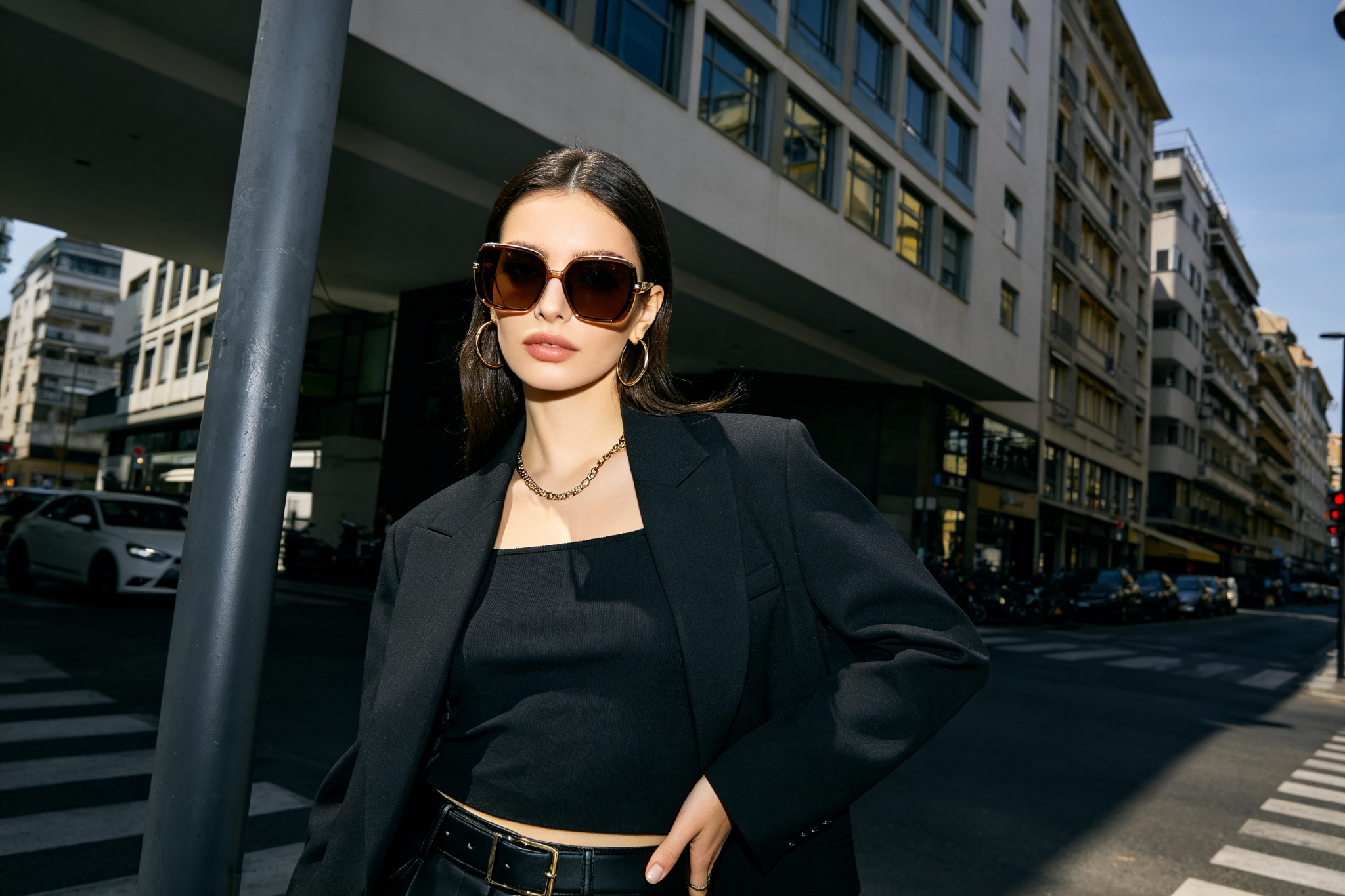
Gradient lenses — Particularly brown-to-clear and gray-to-clear gradients, favored for driving and everyday wear.
Mirror coatings in soft colors — Rose gold, champagne, and ice-blue mirrors replace the harsh silver mirrors of past seasons.
Photochromic (transition) lenses — Technology has improved dramatically; modern photochromic lenses darken faster, go darker, and work behind car windshields. Demand is rising rapidly.
Blue-light filtering — Even in sunglass form, consumers are asking for blue-light protection, especially those who spend long hours in front of screens before stepping outside.
Beyond aesthetics, three behavioral shifts are reshaping the market:
Multiple-pair ownership — Consumers increasingly own 3+ pairs for different occasions (work, sports, fashion). This is a major opportunity for upselling and bundle strategies.
Unisex & gender-neutral design — Frames designed to be worn by anyone are growing faster than gender-specific collections. Retailers should prioritize versatile shapes in their core assortment.
Digital-first discovery — Over 60% of consumers now discover eyewear brands through social media before visiting a store. Visual merchandising and Instagram-worthy product photography matter more than ever.
2026 is a year of confident expression—bold shapes, warm colors, and materials with a story. The brands that win will be those that combine trend-forward design with genuine substance: sustainable materials, premium lens technology, and a narrative that resonates with conscious consumers. At JOYPLUS, our design and engineering teams track these trends year-round, and our OEM/ODM partners get early access to new frame concepts, material innovations, and color forecasts. Contact our team to discuss how we can help your brand stay ahead of the season.